
When we port software to the GPU or FPGA, testability is very important. A part of making the code testable, is getting its functionality fully under control. And you guessed already that run-time generated random numbers takes good attention.
In a selection of past projects random numbers were generated on every run. Statistically the simulations were more correct, but it is impossible to make 100% sure the ported code is functionally correct. This is because there are two variations introduced: one due to the numbers being different and one due to differences in code and hardware.
Even if the combined error-variations are within the given limits, the two code-bases can have unnoticed, different functionality. On top of that, it is hard to have further optimisations under control, as that can lower the precision.
When porting, the stochastic correctness of the simulations is less important. Predictable outcomes should be leading during the port.
Below are some tips we gave to these customers, and I hope they’re useful for you. If you have code to be ported, these preparations make the process quicker and more correct.
If you want to know more about the correctness of RNGs themselves, we discussed earlier this year that generating good random numbers on GPUs is not obvious.

 In the
 In the past year we’ve been working on more internal projects and therefore we’re seeking strong GPU-coders (good OpenCL experience required) worldwide. This way you can combine staying close to your family and working with advanced technologies. You will be on the newly formed international team.


 For years we haven been complaining on this blog what AMD was lacking and what needed to be improved. And as you might have concluded from the title of this blogpost, there has been a lot of progress.

 Are you around at ISC and have an opinion on portable open standards? Then you should join the discussion with other professionals at ISC. Some suggestions for discussions:


 We have been talking about GPUs, FPGAs and CPUs a lot, but there are more processors that can solve specific problems. This time I’d like you to give a quick introduction to grid-processors.
 OpenCL header files
 Want to get an overview of what Heterogeneous Systems Architecture (HSA) does, or want to know what terminology has changed since version 1.0? Read further.
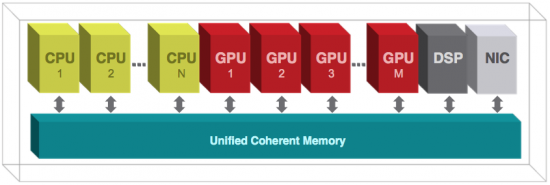
 10 years ago we had CPUs from Intel and AMD and GPUs from ATI and NVidia. There was even another CPU-makers VIA, and GPU-makers S3 and Matrox. Things are different now. Below I want to shortly discuss the most noticeable processors from each of the big three.
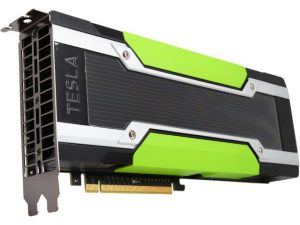 Tesla K80 (Kepler)
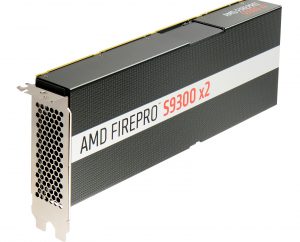 Radeon Nano and FirePro S9300X2 (Fiji)
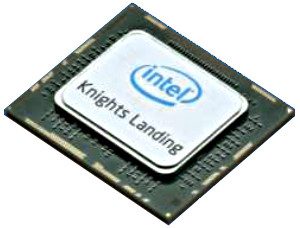 XeonPhi Knights landing
 During the panel discussion some very interesting questions were asked, I’d like to share with you.
 The coming month we’re travelling every week. This generates are a lot of opportunities where you can meet the StreamHPC team! For appointments, send an email to


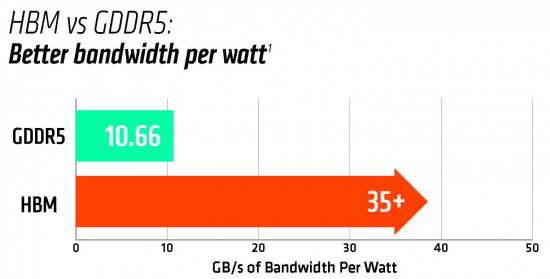
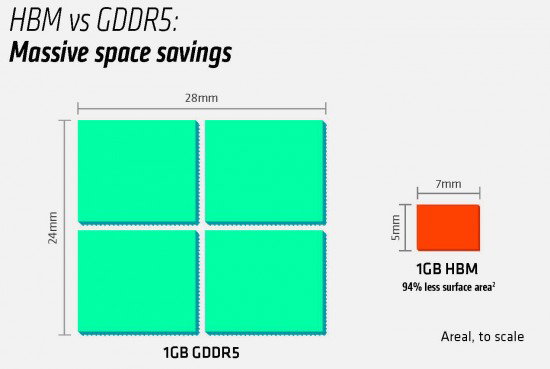

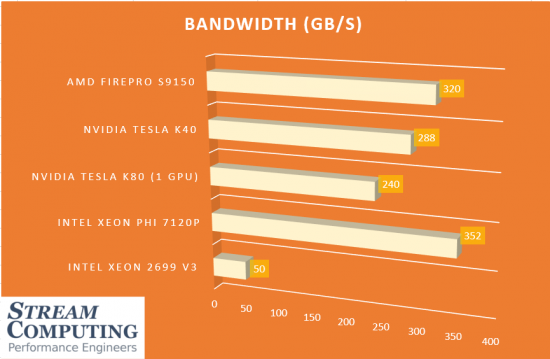
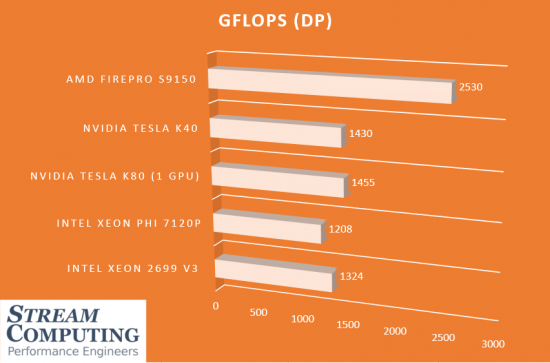
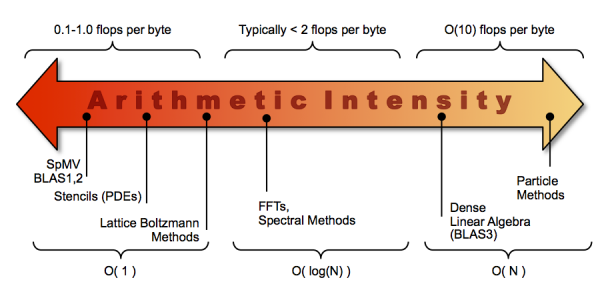
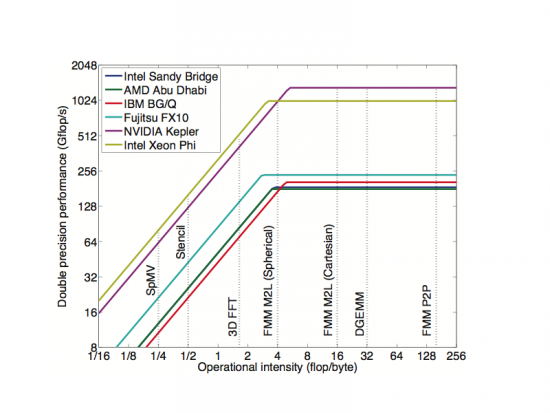
 If there would be one rule to get the best performance, then it’s avoiding data-transfers. Therefore it’s important to have lots of bandwidth and GFLOPS per processor, and not simply add up those numbers. Everybody who has worked with MPI, knows why: transferring data between processors can totally kill the performance. So the more is packed in one chip, the better the results.