
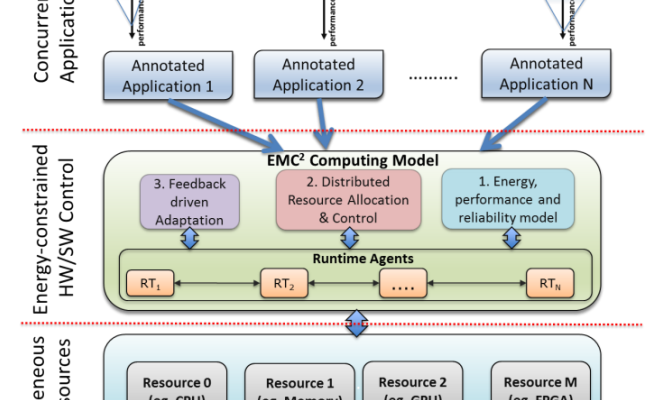
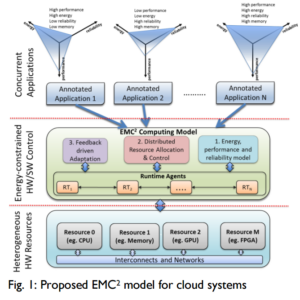
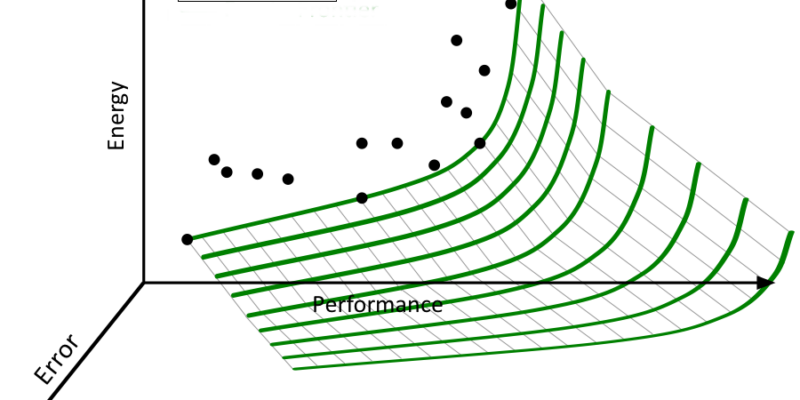
 At the university of Newcastle they use OpenCL for researching the performance balance between software and hardware. This resource management isn’t limited to shared memory systems, but extends to mixed architectures where batches of co-processors and other resources make it much more complex problem to solve. They chose OpenCL as it gives both inter-node and intra-node resource-management.
Currently they offer a PhD position and seek the brilliant mind that can solve the heterogeneous puzzle like a chess player. It is a continuation of years of research and the full description is in the PDF below.

 Warning: below is raw material, and needs some editing.

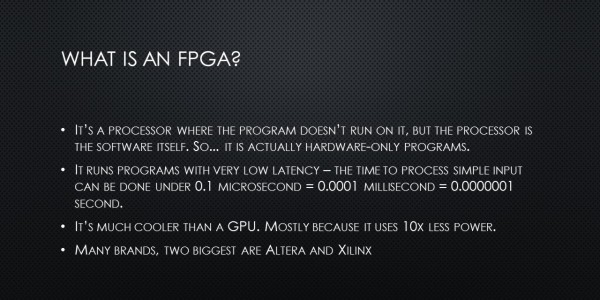
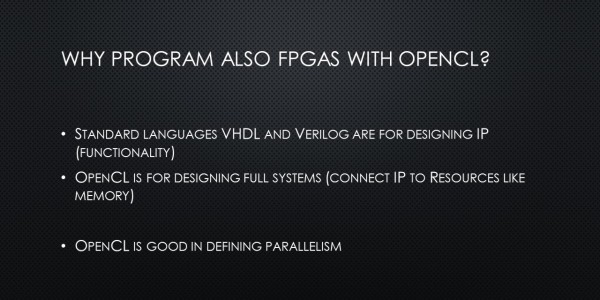
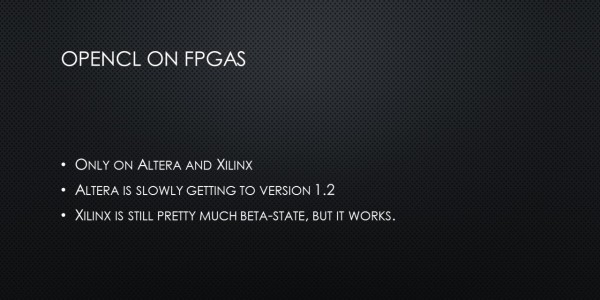
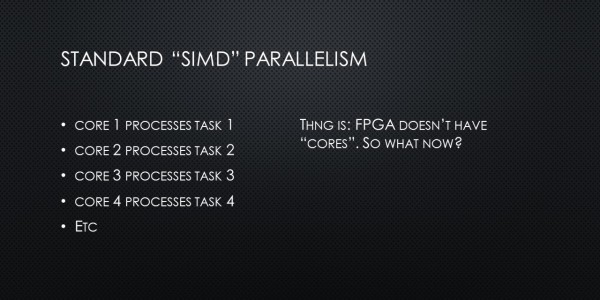


 We recently started a new service, which we were actually doing for years already. You can also learn from this: one can become very experienced in a task and then noticing years later that it can be a service on itself. So starting
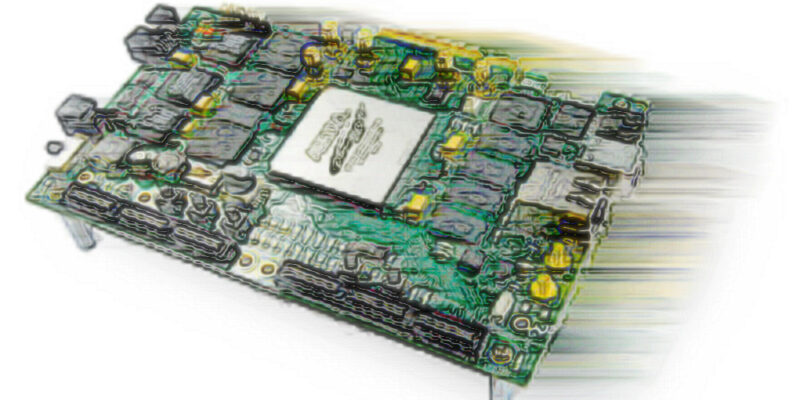

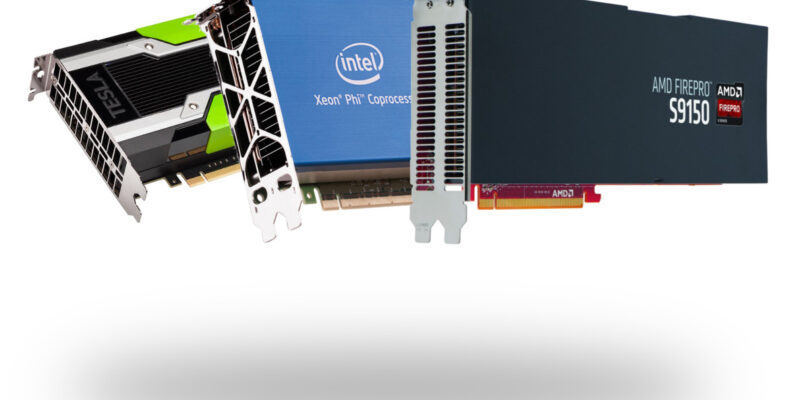
 We’re starting the beta phase of our AMD FirePro based OpenCL cloud services in about a month, to test our API. If you need to have your OpenCL based service online and don’t want to pay hundreds to thousands of euros for GPU-hosting, then this is what you need. We have place for a few others.



 A high-level language has been on OpenCL’s roadmap since the years, and would be started once the foundations were ready. Therefore with OpenCL 2.0, SYCL was born.

 For years we have had a good collaboration with the Khronos group, mainly due our community presence. Now it was time to get into a closer collaboration and become an official
 There has been quite some “find OpenCL” code for CMake around. If you haven’t heard of CMake, it’s the most useful cross-platform tool to make cross-platform software.










 After two events in the Netherlands, the third GPGPU-day will be held in Copenhagen!
