 During SC14 (SuperComputing Conference 2014), OpenCL is again all over New Orleans. Just like last year, I’ve composed an overview based on info from the Khronos website and the SC2014 website.
Finally I’m attending SC14 myself, and will give two talks for you. Tuesday I’ll be part of a 90 minute session of Khronos, where I’ll talk a bit about GROMACS and selecting the right accelerator for your software. Wednesday I’ll be sharing our experiences from our port of GROMACS to OpenCL. If you meet me, then I can hand you over a leaflet with the decision chart to help select the best device for the job.







 A while ago macresearch.com stopped from existing, as David Gohara pulled the plug. Luckily the sources of a very nice tutorial were not lost, and David gave us permission to share his material.


 The research lab

 Altera has just released the free ebook FPGAs for dummies. One part of the book is devoted to OpenCL, so we’ll quote some extracts here from one of the chapters. The rest of the book is worth a read, so if you want to check the rest of the text, just



 When copying data from global to local memory, you often see code like below (1D data):
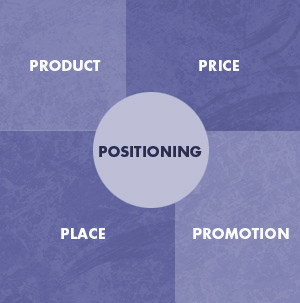
 When compute became possible on GPUs, it was first presented as an extra feature and did not change much to the positioning of the products by AMD/ATI and Nvidia. NVidia started with positioning server-compute (described as “the GPU without a monitor-connector”), where AMD and Intel followed. When the expensive Geforce GTX Titan and Titan Z got introduced it became clear that NVidia still thinks about positioning: Titan is the bridge between Geforce and Tesla, a Tesla with video-out.


 You can’t ignore accelerators when designing a new cluster for HPC anymore. Back in 2010 I suggested to
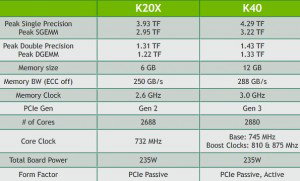 So, for this year it will be K40. Here’s an overview:

 At Intel they have CPUs (Xeon, Ivy Bridge), GPUs (Isis) and Accelerators (Xeon Phi). OpenCL enables each processor to be used to the fullest and they now promote it as such. Watch the below video and see their view on why OpenCL makes a difference for Intel’s customers.
 Khronos just announced three OpenCL based releases: