 In the past years we have been translating several types of software to AMD, targeting OpenCL (and HSA). The main problem was that manual porting limits the size of the to-be-ported code-base.
Luckily there is a new tool in town. AMD now offers HIP, which converts over 95% of CUDA, such that it works on both AMD and NVIDIA hardware. That 5% is solving ambiguity problems that one gets when CUDA is used on non-NVIDIA GPUs. Once the CUDA-code has been translated successfully, software can run on both NVIDIA and AMD hardware without problems.
The target group of HIP are companies with older clusters, who don’t want to pay the premium prices for NVIDIA’s latest offerings. Replacing a single server with 4 Tesla K20 GPUs of 3.5 TFLOPS by 3 dual-GPU FirePro S9300X2 GPUs of 11 TFLOPS will give a huge performance boost for a competitive price.
The costs of making CUDA work on AMD hardware is easily paid for by the price difference, when upgrading a GPU-cluster.
Continue reading “Get ready for conversions of large-scale CUDA software to AMD hardware”
 The information you find everywhere: on Linux the current “radeon” and “fglrx” are being replaced by AMDGPU (graphics) and ROCm (compute) for HSA-enabled GPUs. As the whole AMD Linux driver team is seemingly working on getting the new and open source drivers ready, fglrx is now deprecated and will not get updates (or very late). I therefore can get to the point:


 From 24 to 28 October we give a 4-day training on OpenCL-on-FPGAs using Altera hardware. The learning goals are correctly writing OpenCL code for FPGAs, learning to work with Quartus and understanding the important optimisation techniques.
 In the
 In the past year we’ve been working on more internal projects and therefore we’re seeking strong GPU-coders (good OpenCL experience required) worldwide. This way you can combine staying close to your family and working with advanced technologies. You will be on the newly formed international team.

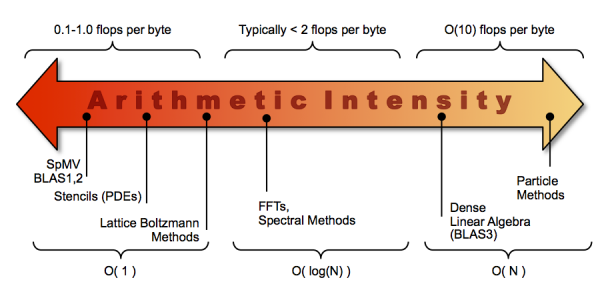
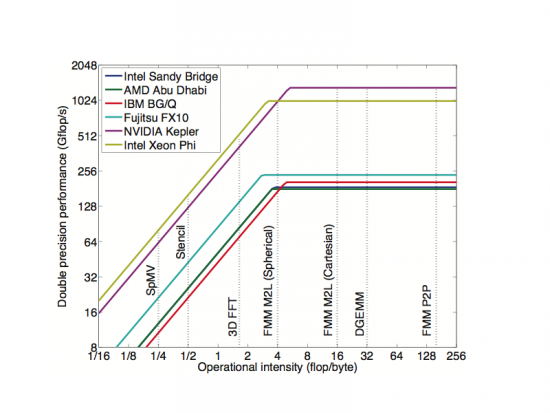

 For years we haven been complaining on this blog what AMD was lacking and what needed to be improved. And as you might have concluded from the title of this blogpost, there has been a lot of progress.

 Are you around at ISC and have an opinion on portable open standards? Then you should join the discussion with other professionals at ISC. Some suggestions for discussions:

 We have been talking about GPUs, FPGAs and CPUs a lot, but there are more processors that can solve specific problems. This time I’d like you to give a quick introduction to grid-processors.
 OpenCL header files
 Want to get an overview of what Heterogeneous Systems Architecture (HSA) does, or want to know what terminology has changed since version 1.0? Read further.
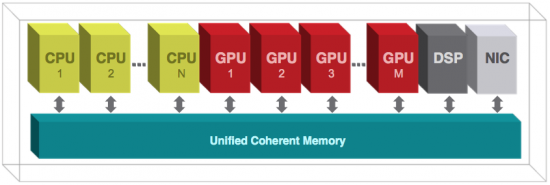
 10 years ago we had CPUs from Intel and AMD and GPUs from ATI and NVidia. There was even another CPU-makers VIA, and GPU-makers S3 and Matrox. Things are different now. Below I want to shortly discuss the most noticeable processors from each of the big three.
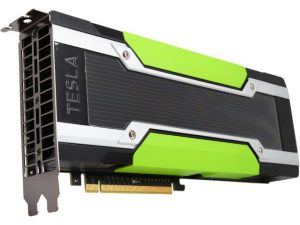 Tesla K80 (Kepler)
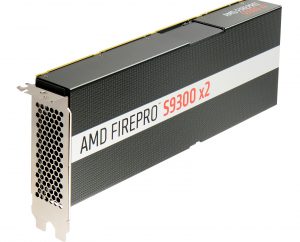 Radeon Nano and FirePro S9300X2 (Fiji)
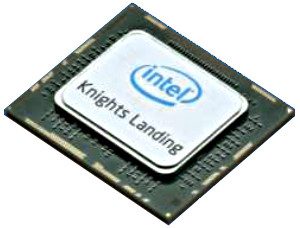 XeonPhi Knights landing
 During the panel discussion some very interesting questions were asked, I’d like to share with you.
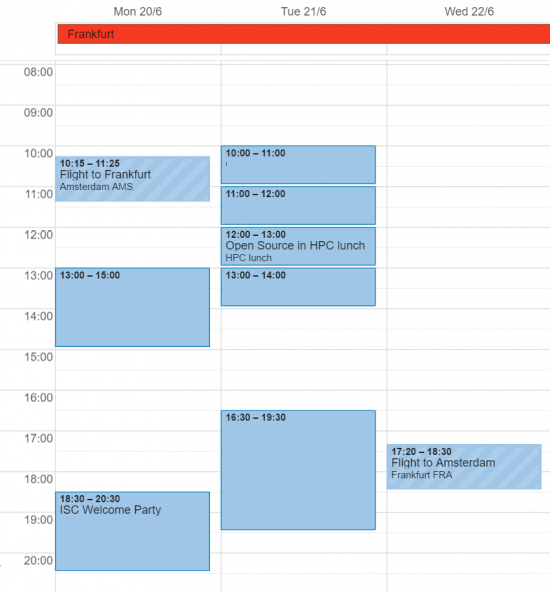
 The coming month we’re travelling every week. This generates are a lot of opportunities where you can meet the StreamHPC team! For appointments, send an email to