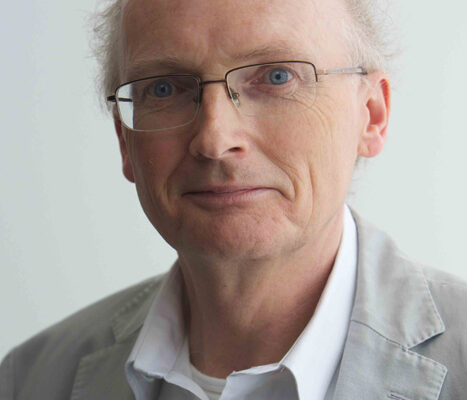
We ask all our customers if we could use their story on our webpage. For competition reasons, this is often not possible. The people of CEWE Stiftung & Co. KGaA were so kind to share his experience since he did a OpenCL training with us and we reviewed his code.
Enjoy his story on his experience from the training till now!
This year, the CEWE is planning to implement some program code of the CEWE Photoworld in OpenCL. This software is used for the creation and purchase of photo products such as the CEWE Photobook, CEWE Calendars, greeting cards and other products with an installation base of about 10 million throughout Europe. It is written in Qt and works on Windows, Mac and Linux.
In the next version, CEWE plans to improve the speed of image effects such as the oil painting filter, to become more useful in the world of photo manipulation. Customers like to some imaging effects to improve photo products, to get even more individual results, fix accidentally badly focused photos and so on.
Continue reading “An example of real-world, end-user OpenCL usage”
 Random numbers are important elements in stochastic simulations, but they also show up in machine learning and applications of Monte Carlo methods such as within computational finances, fluid dynamics and molecular dynamics. These are classical fields in high-performance computing, which StreamHPC has experience in.
 To see if OpenCL is the right choice for your project, we now only ask one day of your time. This enables you to quickly assess the technology without a big investment.

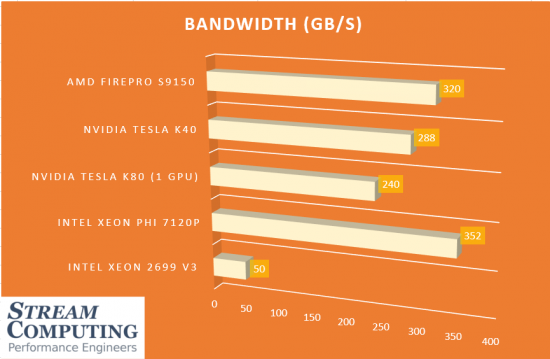
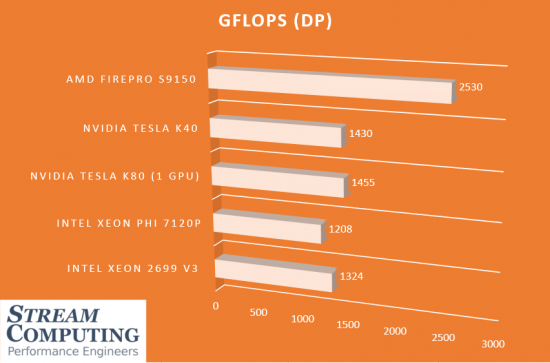
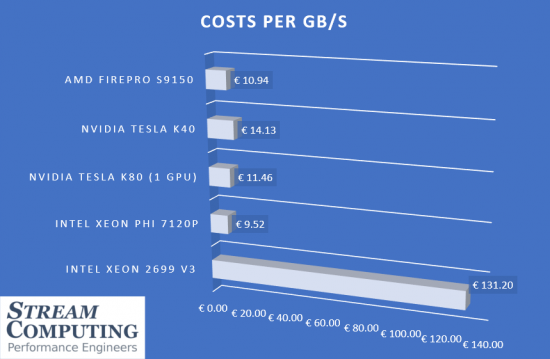
 If there would be one rule to get the best performance, then it’s avoiding data-transfers. Therefore it’s important to have lots of bandwidth and GFLOPS per processor, and not simply add up those numbers. Everybody who has worked with MPI, knows why: transferring data between processors can totally kill the performance. So the more is packed in one chip, the better the results.
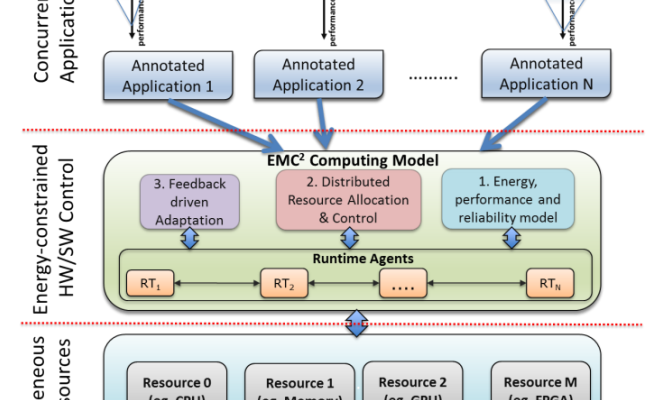
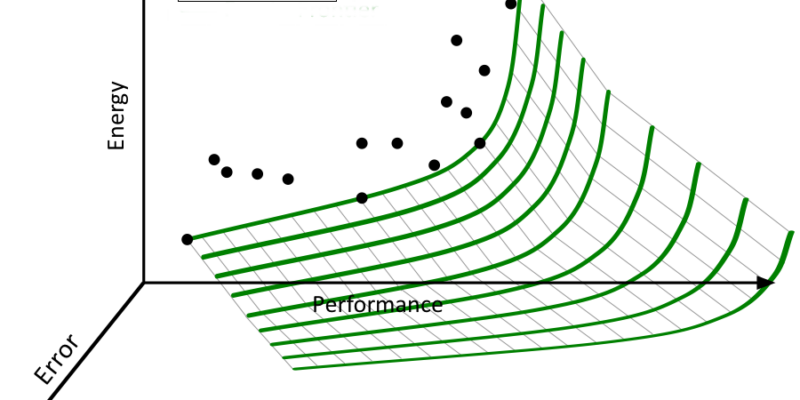
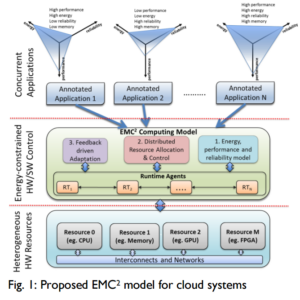 At the university of Newcastle they use OpenCL for researching the performance balance between software and hardware. This resource management isn’t limited to shared memory systems, but extends to mixed architectures where batches of co-processors and other resources make it much more complex problem to solve. They chose OpenCL as it gives both inter-node and intra-node resource-management.

 Warning: below is raw material, and needs some editing.



 We recently started a new service, which we were actually doing for years already. You can also learn from this: one can become very experienced in a task and then noticing years later that it can be a service on itself. So starting
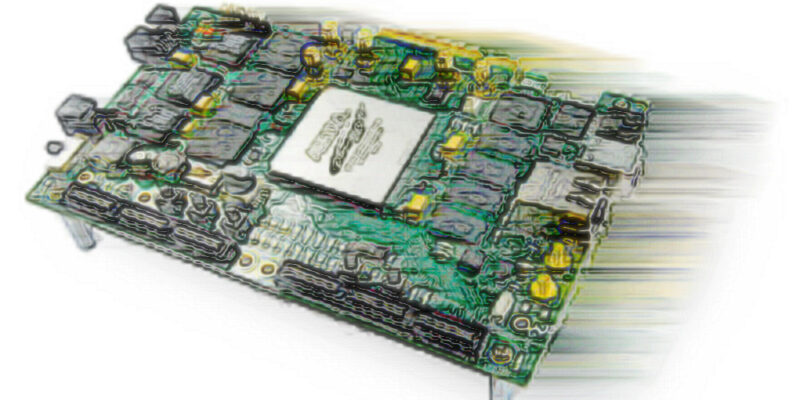

 We’re starting the beta phase of our AMD FirePro based OpenCL cloud services in about a month, to test our API. If you need to have your OpenCL based service online and don’t want to pay hundreds to thousands of euros for GPU-hosting, then this is what you need. We have place for a few others.



 A high-level language has been on OpenCL’s roadmap since the years, and would be started once the foundations were ready. Therefore with OpenCL 2.0, SYCL was born.

 For years we have had a good collaboration with the Khronos group, mainly due our community presence. Now it was time to get into a closer collaboration and become an official

 There has been quite some “find OpenCL” code for CMake around. If you haven’t heard of CMake, it’s the most useful cross-platform tool to make cross-platform software.